
Aircraft crews once worked in spaces that felt more like factory floors than offices. While everything had a function, the daily users were often overlooked. Pilot seats prioritized durability over comfort on long flights. Flight attendants moved through tight galleys. Cargo areas handled by mechanics and loadmasters were not designed for humans.
This approach made sense when flights were shorter and crews were smaller. But aviation changed. Routes stretched across oceans. Crews grew larger. Shifts got longer. The old way of designing aircraft interiors started showing cracks. Tired crews made more mistakes. Uncomfortable workers called in sick more often. The best talent went to airlines and operators who treated them better.
Waking Up to Human Needs
The shift began slowly in the 1990s. Aviation psychologists studied workspace design’s impact on crew performance. They watched pilots struggle with poorly placed controls. They documented flight attendants developing chronic pain from constantly bending in cramped galleys. They measured stress levels in cargo crews working in spaces with no natural light for hours on end.
The results were clear. Poor design led to costly outcomes. Injuries meant paying for replacements. Fatigue led to delays and errors. Poor working conditions made recruiting harder and training costs higher. Airlines and military operators started realizing that investing in better interiors actually saved money over time.
Research teams brought in experts from outside aviation. Office designers explained how color affects mood and alertness. Ergonomics specialists showed how small adjustments to seat height could prevent major back problems. Lighting engineers demonstrated how the right brightness at the right time kept people sharp during overnight flights.
Design Gets Serious
Modern aircraft interiors barely resemble their predecessors. Cockpits now adjust to fit different body types. A pilot who stands five feet tall can find the same comfortable position as one who’s six-foot-four. Controls move to where hands naturally rest. Screens tilt to reduce glare without forcing awkward neck positions.
Galley areas have transformed too. Surfaces sit at heights that reduce bending and reaching. Storage pulls out instead of requiring deep stretches into dark corners. Floors use materials that cushion feet during long shifts. Even the placement of coffee makers and refrigerators follows careful study of how crews actually move through their workspace during service.
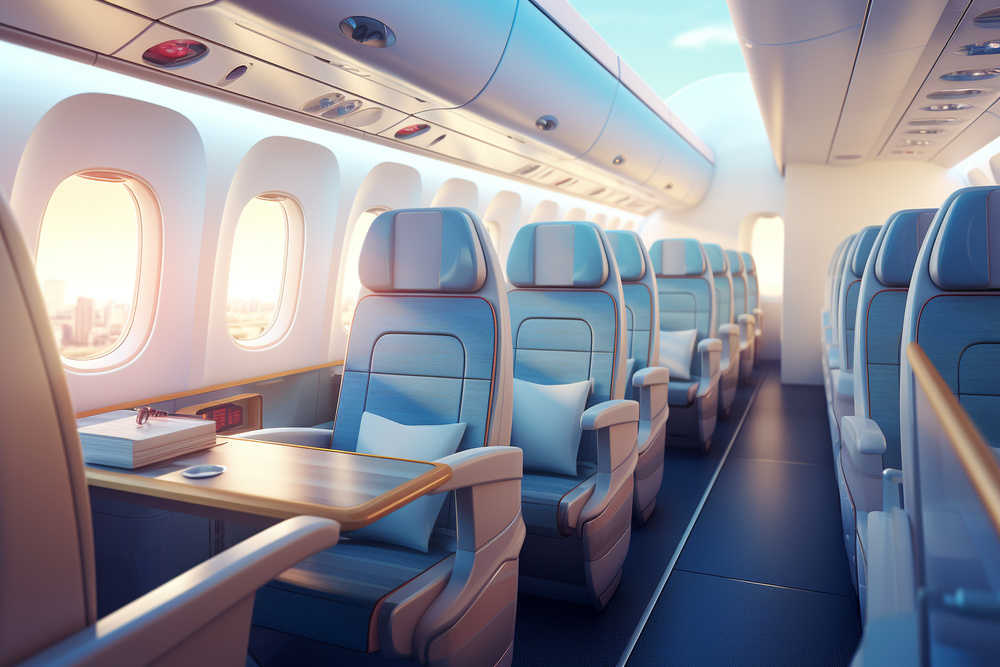
According to the experts at LifePort, PAC seating systems revolutionized how crews rest during long-haul operations. These seats convert between active workstations and genuine rest areas, giving crews proper recovery space without sacrificing operational room. The difference between old bench-style crew rest areas and modern designs is like comparing a wooden bench to an actual bed.
Cargo areas now include climate control zones where crews can work comfortably. Windows bring in natural light where possible. Soundproofing quiets the drone that exhausted workers. Anti-fatigue mats cover standing work areas.
The Payoff Shows
Airlines report significant changes since upgrading their interiors. Sick days drop. Worker satisfaction scores climb. New recruits mention interior quality as a factor in choosing employers. Safety records improve when crews aren’t fighting discomfort while trying to focus on their jobs.
Passengers benefit too, even if they never see these crew spaces. Rested pilots make better decisions. Comfortable flight attendants provide friendlier service. Maintenance crews working in properly designed spaces catch problems others might miss. The entire operation runs smoother when the people making it work feel valued.
Conclusion
Aviation is fundamentally rethinking its design. Crews’ comfort impacts safety and success. Every improvement acknowledges a simple truth that took the industry decades to fully grasp. Taking care of the people who take care of the aircraft and passengers isn’t an expense. It’s an investment that pays dividends every single flight.